
Choosing the Right Steel Plate for Your Project E250 E350 or E450 Explained
- kiscocbe
- Jul 1
- 3 min read

Selecting the right steel plate can make or break your project. Whether you’re building a structure, fabricating machinery, or working on heavy equipment, understanding the differences between E250, E350, and E450 steel plates is essential. Each grade offers unique properties that affect strength, durability, and cost. This guide breaks down these options clearly, helping you choose the best steel plate for your needs.
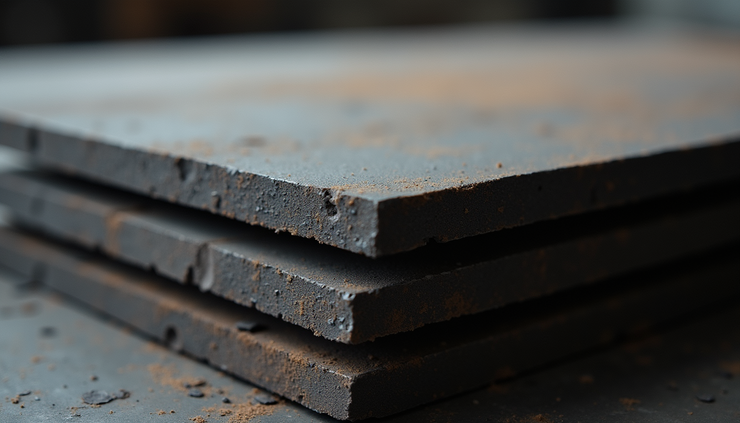
Understanding Steel Plate Grades
Steel plates are classified by their yield strength, which is the amount of stress they can handle before permanently deforming. The numbers in E250, E350, and E450 represent the minimum yield strength in megapascals (MPa). For example, E250 steel plate has a yield strength of 250 MPa.
E250: Minimum yield strength of 250 MPa
E350: Minimum yield strength of 350 MPa
E450: Minimum yield strength of 450 MPa
Higher yield strength means the steel can withstand greater force without bending or breaking. However, higher strength often comes with trade-offs in terms of cost and workability.
Key Differences Between E250, E350, and E450 Steel Plates
Strength and Durability
E250 steel plates are suitable for projects where moderate strength is sufficient. They offer good toughness and are easier to cut and weld.
E350 plates provide a balance between strength and flexibility. They are commonly used in structural applications that require more load-bearing capacity.
E450 plates deliver high strength and are ideal for heavy-duty applications where maximum durability is critical.
Workability and Fabrication
E250 steel is easier to machine, weld, and form. It suits projects with complex shapes or where extensive fabrication is needed.
E350 requires more care during welding and forming due to its higher strength but still offers good workability.
E450 is tougher to work with. It demands specialized equipment and skilled labor for cutting and welding.
Cost Considerations
E250 is generally the most cost-effective option.
E350 costs more due to its enhanced strength.
E450 is the most expensive, reflecting its superior performance in demanding environments.
Choosing the Right Steel Plate for Your Project
When to Use E250 Steel Plates
Choose E250 steel plates if your project involves:
Light to medium structural components
Fabrication requiring easy welding and cutting
Applications where cost control is important
Projects with moderate load and stress requirements
For example, E250 plates work well in agricultural equipment, light machinery, and general construction where extreme strength is not critical.
When to Use E350 Steel Plates
E350 plates fit projects that need:
Stronger structural support
Moderate to heavy load-bearing capacity
Good balance between strength and fabrication ease
They are common in bridges, building frameworks, and heavy machinery parts. For instance, if you are building a warehouse frame that must support heavy loads but still allow some flexibility, E350 is a solid choice.

When to Use E450 Steel Plates
Opt for E450 steel plates when your project demands:
Maximum strength and durability
Resistance to heavy impact and wear
Use in harsh environments or critical infrastructure
Examples include heavy-duty cranes, offshore platforms, and military vehicles. These projects require steel that can handle extreme stress without failure.
Practical Tips for Selecting Steel Plates
Assess load requirements: Calculate the forces your steel plate will face. Use engineering standards or consult a structural engineer.
Consider fabrication methods: If your project involves complex welding or shaping, choose a grade that matches your fabrication capabilities.
Factor in environmental conditions: Exposure to corrosion, temperature extremes, or impact can influence your choice.
Budget wisely: Higher-grade steel offers better performance but at a higher price. Balance cost with project demands.
Summary of Steel Plate Grades
| Grade | Yield Strength (MPa) | Best For | Fabrication Ease | Cost |
|-------|---------------------|---------------------------------|----------------- -|------------|
| E250 | 250 | Light structures, easy welding | High | Low |
| E350 | 350 | Medium-heavy structures | Moderate | Medium |
| E450 | 450 | Heavy-duty, high-stress projects| Low | High |


Comments