
The Evolution of Steel Through the Ages: From Iron Age Innovations to Industrial Revolution Marvels
- kiscocbe
- Jul 8, 2025
- 4 min read

Updated: Jul 30, 2025
Steel has played a critical role in shaping human civilization. From the tools of the ancient world to the tall skyscrapers and advanced machinery of today, the story of steel is a testament to innovation and human spirit. This blog post explores the history of steel, tracing its evolution from the Iron Age innovations to the Industrial Revolution marvels that defined a new era.
The Dawn of Iron
Before steel became a staple material, there was iron. The Iron Age, which commenced around 1200 BCE in the Near East, marked a significant transition in tool-making. Iron, more abundant than bronze, became the material of choice for weapons, agricultural tools, and everyday utensils.
The methods of smelting iron were primitive, and the metal obtained was typically wrought iron, which is relatively soft and malleable. Early blacksmiths learned to forge iron into functional tools that were a leap forward compared to their bronze predecessors.
With the rise of agriculture and settlements, the demand for durable farming tools prompted innovation in ironworking techniques. By utilizing higher temperatures and refining their smelting processes, blacksmiths inadvertently laid the groundwork for the later development of steel.
The Birth of Steel
Steel can be defined as an alloy of iron, typically containing a small percentage of carbon. While the precise date of steel's first creation is debated, evidence suggests that early forms of steel, namely carbon steel, were produced as early as 2000 BCE in Anatolia (modern-day Turkey).
The ability to achieve different carbon concentrations led to variations in hardness and durability. This innovation allowed for the creation of weapons that were stronger than traditional iron tools. Damascus steel, famous for its unique patterns and strength, gained popularity in later centuries and became a benchmark for quality.
The Advancements of the Middle Ages
The Middle Ages saw significant advancements in steel-making technologies across various regions. The development of the blast furnace in the late medieval period significantly expanded iron production capabilities.
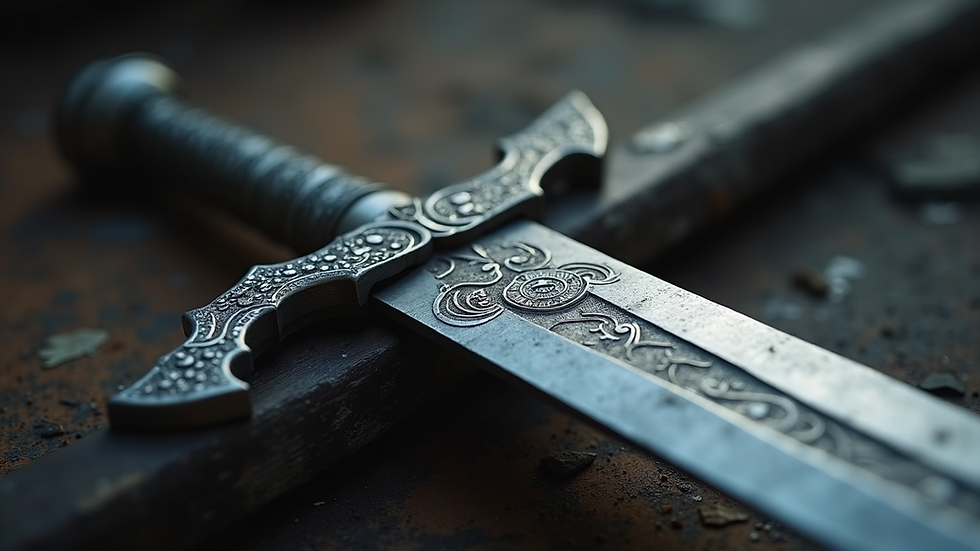
With improved smelting techniques, steel became more accessible. Countries like Germany, Spain, and England began to specialize in quality steel production. The introduction of tempering and quenching processes allowed craftsmen to further refine steel's properties, creating harder and more resilient materials suitable for high-stress applications like sword-making.
Ancient texts and trade routes helped disseminate knowledge of steel production. As commerce flourished, so did the sharing of technological innovations, leading to increased competition among regions.
The Renaissance and Beyond
The Renaissance was a period marked by unparalleled curiosity and innovation. With a renewed interest in classical learning, artisans delved deeper into ancient texts and re-engineered steel-making processes.
The introduction of better tools and techniques allowed for the production of spring steel and high-carbon steels, paving the way for the development of tools and machinery crucial for the age of exploration and discovery.
The advent of gunpowder also put pressure on military technology, necessitating strong and reliable steel for weaponry. Cannon production required steel that could withstand significant pressure and heat, further driving advancements in metallurgy.
The Industrial Revolution: A New Era for Steel
The Industrial Revolution, beginning in the late 18th century, heralded a dramatic transformation in steel production. The shift from hand-forged techniques to mass production innovations led to steel becoming a cornerstone of industrial machinery and architectural development.
The breakthrough came with the Bessemer process, invented by Henry Bessemer in 1856. This industrial process removed impurities from iron by blowing air through molten iron, resulting in high-quality steel at an unprecedented speed and scale. As a result, steel became cheap and widely available, revolutionizing construction and manufacturing.
With this new supply of steel, the construction of railroads, bridges, and factories surged. The iconic Brooklyn Bridge and the Eiffel Tower are testaments to the durability and strength of steel, showcasing its capability to redefine architectural boundaries.

The Modern Age of Steel
As the 20th century rolled in, innovations in steel continued to evolve. The introduction of stainless steel in the early 1900s revolutionized not just industry but also everyday life.
Stainless steel, known for its corrosion resistance and cleanliness, became a favorite in kitchens, hospitals, and countless applications across various industries. The shift from traditional steel to specialized alloys allowed manufacturers to tailor materials for specific uses, extending steel’s potential across countless applications.
Plastic, composites, and other materials began to emerge, prompting further innovation within the steel industry. Steelmakers reacted by developing lighter and stronger alloys and exploring eco-friendly practices, ensuring steel's relevancy in the wake of changing materials.
Steel in Today’s World
Today, steel remains one of the most crucial materials in our world. Engineering advancements have led to steel being used in countless applications, from everyday items to towering skyscrapers.
The global demand for sustainable construction solutions has influenced the steel-making process, with companies exploring new methods that minimize environmental impact. Technologies like electric arc furnaces are gaining traction, illustrating a shift towards reducing carbon emissions associated with steel production.
Research is ongoing into the creation of "green steel," a product that is produced with renewable energy and fewer carbon emissions. This reflects a commitment to the future, where steel can be a part of an eco-friendly world.

Conclusion
The evolution of steel is a fascinating journey that reflects the triumphs of human ingenuity. From the Iron Age to the Industrial Revolution and into today's modern world, steel has continuously evolved, shaping industries, civilizations, and technologies.
Looking ahead, as we strive for sustainability and innovation, steel will undoubtedly continue to play a fundamental role in our lives. As we embrace new technologies and eco-friendly practices, the history of steel reminds us of our progress and the ever-potential for future advancements.
The saga of steel is not just about the metal itself but also about the people, cultures, and innovations that have brought it to life throughout the ages. Steel will endure, forging a path into the future and maintaining its status as a crucial element in our ever-changing world.


UNICCM SCHOOL
Programmes at UNICCM School are built to remain relevant as careers evolve. Academic foundations are supported by flexible professional skills. Learners gain competencies suited to changing roles. Flexible study plans promote balance. This keeps education aligned with workplace change.